Copy Someone's App Legally: A Practical Guide
Can you copy someone's app legally? Learn the difference between ideas and code, how to read licenses, and how to build your own version safely.
On this page
The question of whether you can copy someone's app legally has moved from developer forums into mainstream business news. A recent story on thestreet.com, "Is it fair to open-source a copy of someone's app? yMedia founder says yes," shows the debate has reached founders who never write code. This article uses that story as a starting point, then gives you a practical framework for reusing existing products, licensing your own work and documenting what you build with AI tools.
This article is based on the headline and summary of the thestreet.com piece. Read the full story for the founder's reasoning, and treat what follows as general guidance, not legal advice.
What happened: the yMedia founder's position
According to the headline, a yMedia founder argues that it can be fair to open-source a copy of someone else's app. The story, published on thestreet.com, frames the debate around one specific act: taking an existing app, reproducing it, and releasing the copy publicly as open source.
The headline does not settle the question. It reports a position, not a court ruling or a legal standard. That matters because "fair" and "legal" are different tests. Something can feel fair to one person and still infringe a copyright or breach a terms of service agreement. Something can be legal and still be seen as poor conduct by the community it affects.
For builders, the useful takeaway is that the debate is live, and it is about reproducing functionality and releasing it. Both of those are things AI tools now make easy.
Why it matters if you build apps without code
AI app builders have made it fast to recreate a popular app's layout, features and workflow. You can describe a product in a sentence and see a working version in a live preview within minutes. That speed is useful for prototyping, but it also makes it easier to reproduce someone else's work without noticing you have done so.
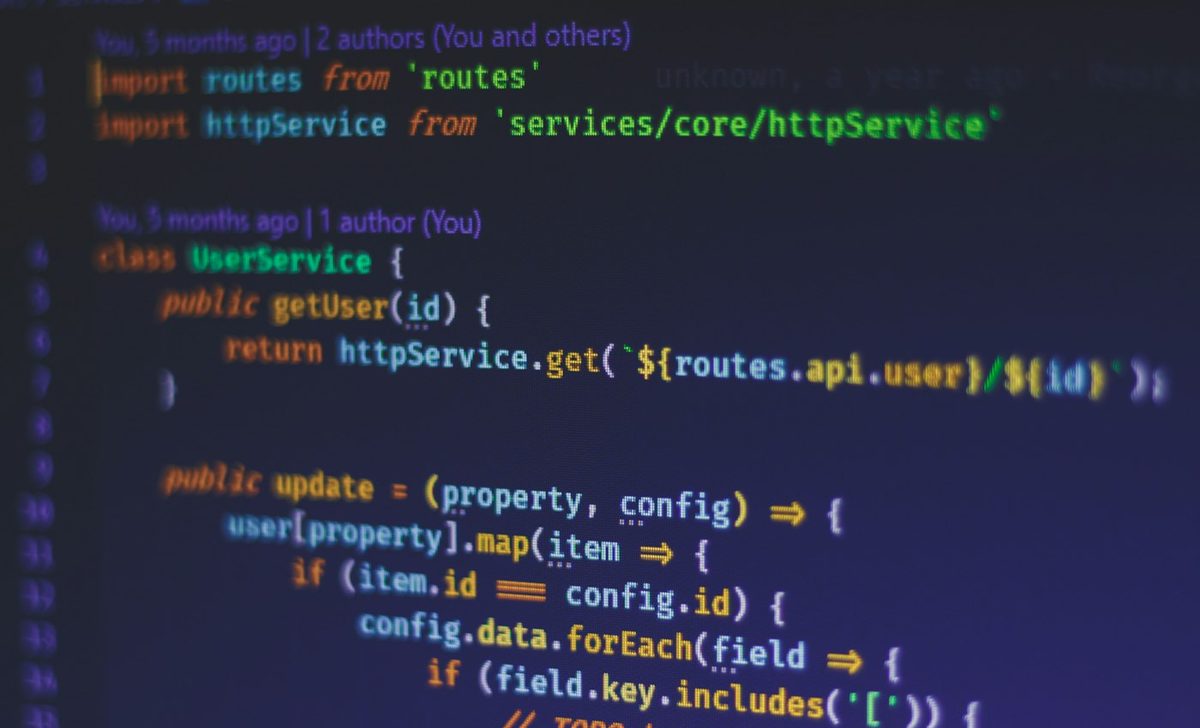
A few patterns come up often:
- A description that is too close to an existing product. If you type "build an app like [popular product] with the same screens and features," you are asking the tool to mirror that product. The output may look and behave like the original.
- Copied assets. Logos, icons, photography, sample copy and branded colors can come along for the ride when you paste in a reference screenshot.
- Borrowed code. Generated code is built from patterns the model has seen before. You may not know which parts are common and which are specific to one project.
Your own app is exposed too. If you publish a useful tool, someone can describe a similar one to an AI builder and launch a near copy in an afternoon. The question works in both directions, which is why you should care about both reusing and protecting.
Ideas vs. implementation
The most important distinction in this area is between an idea and its implementation.
An idea is a general concept: a booking app for dog groomers, a tracker for freelance invoices, a study planner for nursing students. Ideas are generally not protected by copyright. Many people can build the same kind of product independently.
An implementation is the specific expression of that idea: the exact source code, the particular visual design, the wording of the interface, the naming, the logo and the content. These are generally protected. Copying them is where most legal and ethical problems begin.
So "I want to build a tool for tracking app licenses" is an idea you can pursue freely. Copying a competitor's license-tracker screens, code and branding is an implementation problem.
Can you copy someone's app legally?
The short answer is that copying an app's functionality from scratch is usually different from copying its code or assets. The details depend on your jurisdiction and the facts, so use this as a checklist, not a verdict.
| What you reuse | Generally protected? | Typical risk |
|---|---|---|
| General idea or category | Usually not | Low, but competition is still a business issue |
| Common features (login, search, tables) | Usually not, these are standard patterns | Low |
| Specific source code | Usually yes | High if copied |
| Visual design, layout and styling | Often yes, especially distinctive designs | Medium to high |
| Names, logos and trademarks | Often yes, under trademark law | High if confusingly similar |
| Written content, images and data | Usually yes | High if copied |
| Anything behind a login or API | Terms of service may restrict it | Medium to high |
Two points deserve emphasis. First, copyright is not the only constraint. Terms of service and licenses can restrict reuse even where copyright would not. If an app's terms say you may not scrape its data or reproduce its interface, that agreement can apply.
Second, "it's open source" does not mean "anything goes." Open-source licenses grant specific permissions, often with conditions.
What counts as open source
An open-source license lets others use, modify and redistribute software under stated terms. The Open Source Initiative maintains a list of licenses it considers open source, and each one has different obligations. Some require you to keep the license notice. Some require that derivative works share the same license. Some grant broad permission with minimal conditions.
Open source applies to code. It does not automatically cover trademarks, logos or content. A repository can be open source while the brand name and logo remain protected.
Reading a license before reuse
Before you reuse any code or design, check the following:
- Is there a license file? Look for a file named LICENSE or COPYING in the repository. No license usually means default copyright applies, and you have no permission to reuse the code.
- What does it allow? Commercial use, modification, redistribution and private use are the key questions.
- What does it require? Attribution, license notices, or sharing your modifications under the same terms.
- What is excluded? Many projects separate code licenses from trademark policies.
- Do the terms of service add limits? For hosted apps, check the terms even if the code is open.
If the answer is unclear, do not reuse the material. Ask the owner or consult a lawyer.
How to reuse and publish safely
If you want to build something similar to an existing app, the lowest-risk approach is to build your own version from your own specification.

Start with a written spec, not a copy. Describe the problem your users have, the core actions they need to complete and the data they work with. Write this in your own words. A spec like "users log in, add items with a name and due date, and see upcoming items sorted by date" is yours. A spec that lists another app's exact screens is not.
Design your own interface. Choose your own layout, colors and labels. Standard patterns such as tables, search bars and detail pages are fine to use. Copying a specific visual identity is not.
Replace all branding. Use your own name, logo, tagline and copy. Remove any text, icons or images you did not create or license.
Review what the builder generated. AI tools can produce code and assets quickly. Read the output, check imported files and remove anything you cannot justify. If you pasted a reference screenshot, make sure the result does not reproduce it closely.
Keep a record of your decisions. Note what you built from scratch, what you used from a library and under which license, and what inspired the design. This record helps if someone questions your work later.
Choose a license for your own app. If you plan to publish code, decide on a license early. A proprietary license keeps the code closed and reserves rights to you. An MIT license is a permissive open-source option that allows reuse with attribution. Other open-source licenses add different conditions. If you are unsure, a lawyer or a trusted open-source resource can help you choose.
What license should my app have?
This depends on your goals. If you want to sell the app or keep the code private, a proprietary license is typical. If you want other developers to use, adapt and contribute to it, an open-source license such as MIT is a common choice. Decide before you publish, because you cannot fully reclaim rights you have already granted under an open license.
Protecting your own app
You can take practical steps to protect your app idea and implementation, even if you build without code.
Document what you built, when and with which tools. Write a short development log: the date you started, the main decisions, the tools you used and the sources of any assets. This does not replace legal registration, but it gives you a clear record of your work.
Keep versions of your project. Version history shows how the product changed over time. If you ever need to show that your design evolved independently, a series of saved versions is useful evidence.
Publish with clear terms. Add a terms of use page that states what visitors may and may not do with your app. Include a privacy policy if you collect user data. Add a contact page so people can report misuse or ask for permission.
Avoid leaking secrets. Keep API keys, database credentials and private code out of public repositories and shared links. Exposed credentials can be used by anyone, and they are one of the most common mistakes in fast-built apps. For a real example of how code exposure creates risk, read our analysis of vibe coding security lessons from the Grok Build leak.
Consider formal registration for valuable work. Copyright protection exists automatically in many countries once you create original work, but registration can help in disputes. Trademark registration can protect your app name. Ask a qualified lawyer which options fit your situation.
Build it with FromScratch
You can build a simple record-keeping app that tracks your own apps, their license type and reuse decisions. This is a good way to practice the habits described above. FromScratch is an AI app builder: you describe the app in plain language, and the platform builds a React front-end, a Python (FastAPI) back-end and a database.
Follow these steps:
- Sign up for the free plan. Start from the FromScratch home page and create an account. The free plan is enough to try this project.
- Open a new project and paste the prompt. Type the prompt below into the chat. It describes the app's fields, table, search and detail pages.
- Wait for the live preview. The app should appear in a preview within minutes. Test it: add an app, check that the table sorts by date, search for a name and open a detail page.
- Refine by chatting. Ask for changes in plain language, such as "add a filter by license type" or "make the notes field larger." Each change is a new step you can review.
- Check the version history. Every change is saved, so you can restore an earlier version if a change does not work. Use this to record how the app evolved.
- Publish when ready. Publish to a public URL, or connect your own custom domain. Before publishing, check that the app holds no secrets and that the content is your own.
Use this prompt in step 2:
Build a simple app called App Rights Tracker. Let me add my apps with a name, a short description, the license I chose (proprietary, MIT, or other), whether the source code is public, and a notes field for reuse decisions. Show a table sorted by date, a search bar, and a detail page for each app with a version history section.
If you later need more capacity, see pricing for the plan options. For a broader comparison of tools, see FromScratch vs Lovable vs Bolt. For general pre-launch habits, read vibe coding mistakes to avoid before launch.
FAQ
Is it illegal to clone an app idea?
Ideas on their own are generally not protected by copyright, so describing or building a similar type of product is usually allowed. Copying code, specific designs, logos, names or content can infringe rights, and terms of service can restrict reuse. The details depend on your jurisdiction, so check with a lawyer before publishing a close copy.
Does open-sourcing a copy remove the original owner's rights?
No, not automatically. Open-source licenses grant permissions for code that the author has licensed, but they do not transfer ownership or remove other rights such as trademarks. Whether a particular release is valid depends on the license and on who had the right to release the code.
Should I use an AI builder to copy an app?
It is safer to use an AI builder to create your own app from your own specification and design. Describe the problem you solve and the features you need, not another product's exact screens and code. Review what the tool generates and replace any branding you did not create.
Where do I get legal advice?
Consult a qualified lawyer in your jurisdiction, especially before a commercial launch or if you receive a complaint. General articles, including this one, cannot account for your specific facts. A lawyer can also help you choose a license and decide whether to register your app name or work.